
What A £420 Toothbrush Can Teach Dental Practices About Marketing

What A £420 Toothbrush Can Teach Dental Practices About Marketing

What can a £420 toothbrush teach dentists about marketing? See how topical dental content can build trust, visibility and patient engagement.

Dentopia

Dentopia

published date

04, Sept 2026

#Dental Marketing

Hero Description: What can a £420 toothbrush teach us about dental marketing? Discover how dental practices can use timely conversations to create useful content, build trust and strengthen their online presence.

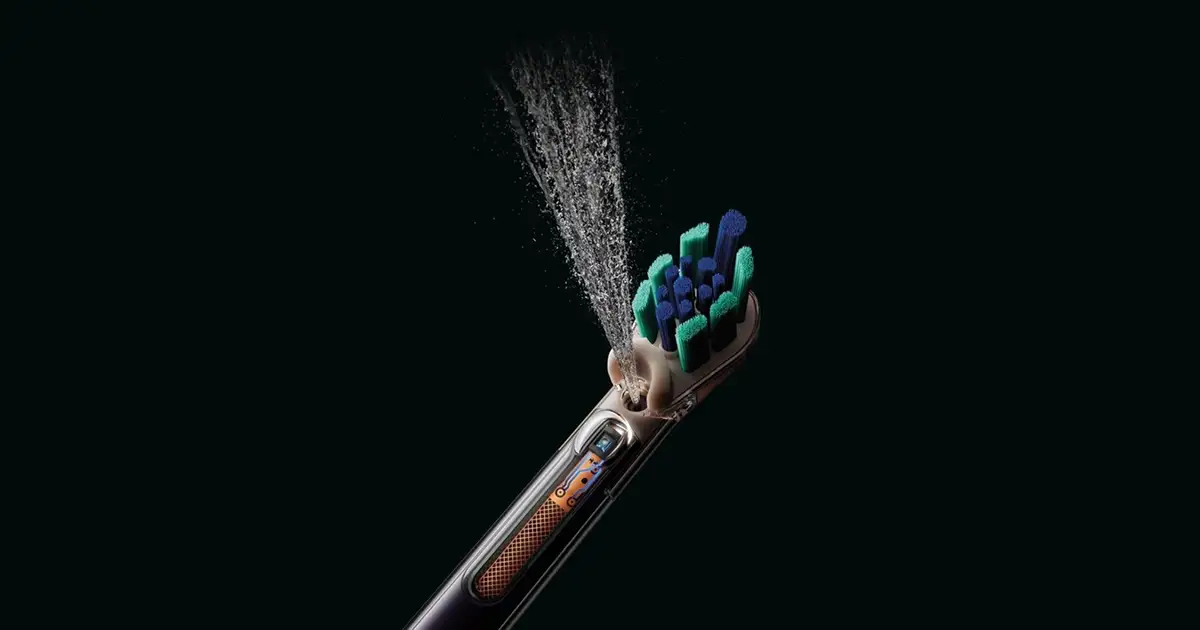
A £420 toothbrush is the sort of headline that instantly gets attention. Dyson's CameraJet has brought cameras, intelligent feedback and targeted cleaning technology into something people have used every morning and evening for generations. It is unusual enough to make people stop, read and form an opinion.

Yet the most useful message for patients is much simpler than the technology. You do not need to spend £420 on a toothbrush to look after your teeth effectively. For most people, the fundamentals still matter most: brushing thoroughly for around two minutes, twice a day, using fluoride toothpaste and making sure all tooth surfaces receive proper attention.

For dental practices, however, there is another lesson hidden inside this story. The £420 toothbrush is not just a dental story. It is a very good example of how strong dental marketing can turn something topical into useful patient education.

The Headline Gets Attention, But The Advice Builds Trust

The £420 price is what makes somebody curious enough to click. The dentist's explanation is what makes the content worthwhile once they arrive.

That distinction matters when creating content for a dental practice. A patient might initially want to know whether an extremely expensive toothbrush is worth buying, but the real opportunity is to answer the questions underneath that curiosity. Does price matter? Is an electric toothbrush essential? How long should someone brush? What actually makes a good toothbrush routine?

This is where effective content moves beyond chasing attention. A practice can use a topical story as the starting point, then provide practical advice that leaves the reader better informed. That approach puts usefulness before promotion, which is exactly how good dental content should feel.

For practices developing a broader online strategy, effective dental marketing services should follow the same principle. Marketing gets stronger when the content answers real questions rather than simply filling a website or social feed.

You Do Not Always Need A Complicated Message

There is something quite interesting about using an extremely sophisticated toothbrush to communicate an incredibly straightforward message: brush for around two minutes, twice a day.

Dental practices can learn something from that simplicity. It can be tempting to make website copy or social content increasingly technical because dentistry itself is complex. Patients, however, are often looking for clear answers that help them make everyday decisions with confidence.

They want to understand what a treatment involves, how appointments work, what choices are available and what the next step might be. The clinical knowledge behind the answer may be sophisticated, but the way it is communicated does not have to be.

The strongest dental marketing often takes something complex and makes it easier to understand without making it simplistic. That principle should apply whether you are explaining implant treatment, Invisalign, gum health or why somebody probably does not need to spend £420 on a toothbrush.

The headline attracts attention, but useful professional insight builds trust.

Topical Stories Can Become Useful Search Content

The toothbrush story may be topical today, but the questions surrounding it are not temporary. People will continue searching for information about electric toothbrushes, smart toothbrushes, brushing time and whether expensive oral-care products are genuinely worthwhile.

That creates an opportunity to combine timely content with longer-term search intent. A practice could publish an article while the subject is attracting attention, but structure that article around useful questions people may continue searching for months afterwards.

Good dental SEO is not simply about repeating treatment keywords throughout an article. It involves understanding what people are trying to discover and creating content that answers those questions naturally.

A topical headline may bring somebody through the door. Helpful evergreen information gives that content a reason to remain useful after the initial news story has moved on.

One Good Idea Can Become More Than One Piece Of Content

A common mistake in dental marketing is treating every blog, social post and video as a completely separate task. A strong idea can often support several pieces of content when each format approaches it differently.

The £420 toothbrush story could become a dentist-led video asking whether they would personally spend that much on a toothbrush. The same topic could become a social carousel explaining which toothbrush features are actually useful, an email reminding patients about the two-minute rule, or a short Reel challenging viewers to time their next brushing session.

The important thing is not to copy the same paragraph into five different formats. Each version should make sense for the platform and the way people consume content there.

This is particularly relevant tosocial media marketing for dentists. Instead of constantly asking what to post next, practices can identify one genuinely interesting conversation and build several useful pieces of content around it.

A single strong dental conversation can inspire your blog, video, social media and search content.

The Dentist's Opinion Is More Valuable Than The Product Description

Patients do not need their dental practice to repeat the manufacturer's website. They can already read about cameras, sensors, apps and technical features directly from the company selling the toothbrush.

What a dental practice can add is professional judgement.

A dentist might explain that some smart features could help certain people improve their brushing habits, particularly timers or feedback that highlights missed areas. They could then make the much more useful point that an affordable toothbrush used properly for two minutes twice daily may be entirely suitable for many people.

That perspective is valuable because it shows how the clinician thinks. It allows somebody who has never visited the practice to hear the dentist explaining something clearly, sensibly and without trying to turn every conversation into a sale.

A strong dental website design should create more opportunities for this kind of communication. A website should not simply list treatments. It should help potential patients understand the people behind the practice and feel more confident about taking the next step.

There is an important difference between topical marketing and chasing every story that appears online. Not every viral subject deserves a blog post from a dental practice.

A good topic should have a clear connection with patients and give the clinical team something useful to contribute. Ideally, it should also lead naturally into a question patients are already asking.

The £420 toothbrush works because it meets all three conditions. It is relevant to oral health, dentists can add professional context, and it connects directly with common questions about brushing habits and toothbrush choices.

The trend provides the opening, but the expertise gives the content substance. Without that second part, a dental practice risks creating content that receives attention without actually strengthening patient trust.

Turn more of your practice's knowledge into useful marketing with Dentopia.

Listen To The Questions Already Happening In Your Practice

Some of the strongest content ideas are already being discussed every day in dental practices. They are happening at reception, during consultations, in hygiene appointments and in conversations patients have before deciding whether to proceed with treatment.

If several patients ask the same question, that question may deserve a blog. If a treatment is frequently misunderstood, that misunderstanding may deserve a video. If a news story suddenly makes patients curious about something dental, that can become a timely piece of content.

This approach is far more useful than deciding that a website needs four blogs every month and then searching for four subjects simply to fill the calendar.

At Dentopia Dental Marketing Agency, we look at the connection between what practices know, what patients want to understand and how people search online. The aim is not to produce content for the sake of producing content. It is to make a practice's knowledge more useful, visible and easier for potential patients to engage with.

What Is The Real Lesson From A £420 Toothbrush?

The £420 toothbrush is a great marketing hook because it is unexpected. People have an immediate reaction to the price, which creates curiosity and conversation.

But the best dental article would not finish by telling everybody whether they should buy one. It would bring the reader back to a much more useful message. You do not necessarily need a highly sophisticated toothbrush. You need to brush thoroughly for around two minutes, twice a day, and make those two minutes count.

The marketing lesson is remarkably similar. New tools, platforms and technology can all be valuable, but they work best when the fundamentals are strong. Understand the audience, answer a real question, communicate clearly and give people a sensible next step.

Sometimes effective marketing is not about making the message more complicated. It is about finding a reason for somebody to listen, then giving them something worth remembering.

Turn Everyday Dental Conversations Into Better Marketing

The £420 toothbrush will eventually disappear from the headlines, but another dental story will take its place. For practices, the real opportunity is developing a system for recognising which conversations are worth joining and knowing how to turn them into useful content.

Dentopia helps dental practices connect content, search, websites, paid advertising and social media around a clearer growth strategy. If your practice has clinical knowledge and great ideas but is unsure how to turn them into content that reaches the right audience, a free dental marketing audit can help identify the opportunities.

Good dental marketing does not always begin with a campaign. Sometimes it begins with a simple question people are already talking about.

Further reading

How to Promote Your Dental Clinic with Facebook Advertising

28, Aug 2026

How to Promote Your Dental Clinic with Facebook Advertising

10 Fun Dental Staff Meeting Ideas That Work

17, Jul 2026

10 Fun Dental Staff Meeting Ideas That Work

How Expert Dental Marketing Grows Your Practice

16, Jun 2026

How Expert Dental Marketing Grows Your Practice

Dental Branding Strategy: Key Steps For Long-Term Success

13, May 2026

Dental Branding Strategy: Key Steps For Long-Term Success

Dental Marketing Strategies To Build A Strong Practice Brand

04, May 2026

Dental Marketing Strategies To Build A Strong Practice Brand

Navigating the Minefield: Top No-No’s in Dental Marketing

01, Apr 2026

Navigating the Minefield: Top No-No’s in Dental Marketing

Frequently Asked Questions

Yes, absolutely, when the story is genuinely relevant to patients and your clinical team can add something useful. A topical subject can attract attention, but the article should still educate the reader and answer a meaningful question rather than simply commenting on the news.
Often, yes, especially when the topical story connects with questions people continue searching for. The strongest approach combines current interest with evergreen information so the article remains useful after the initial conversation has moved on.
It depends, but timely publishing can matter when a story is attracting significant public attention. Accuracy should still come first. A well-considered article published slightly later is generally more valuable than rushing out content that adds little beyond the original headline.
In most cases, yes, when the opinion is balanced, relevant and within the clinician's professional knowledge. Patients can often benefit from practical guidance that explains what a feature means in real life rather than simply repeating marketing claims from a manufacturer.
Yes, absolutely. A strong central idea can support a website article, short video, social carousel, Reel and email. The key is adapting the idea to each format rather than repeating identical content everywhere.
Not necessarily, but specialist support can make the strategy easier to coordinate across SEO, websites, social media, advertising and creative content. The best approach is one where every piece of content has a clear audience, purpose and next step.
Dentopia

Dentopia

Dental Marketing and Consultance

date icon04, Sept 2026