1) Start With A Light Icebreaker
Open with a 3‑minute icebreaker. Try Two Truths and a Lie, a one‑word check‑in on how the week is going, or a quick gratitude round.
Why it matters: A fast connection lowers tension, helps new or quieter colleagues feel included, and sets a friendly tone that carries into patient conversations.
2) Celebrate Patient Success Stories
Invite the team to share short wins. For example, a patient who managed their dental nerves, a same‑day repair that saved a trip, or a clear aligner journey that lifted confidence.
Why it matters: Real stories reconnect everyone to purpose. They also show what works well, which you can replicate across the practice for consistent care.
3) Introduce A Rotating Tip Of The Week
Ask a different team member to share a 90‑second tip on clinical efficiency, patient communication or practice organisation. Capture it in a shared notes file that everyone can search.
Why it matters: Ongoing microlearning builds precision without long training sessions. A digital log makes tips easy to revisit, which helps new starters get up to speed.
4) Role‑Play Common Scenarios
Run short role‑plays on everyday moments. Explain finance options clearly. Discuss home care in a friendly way. Guide an anxious patient through local anaesthetic with calm and clarity.
Why it matters: Practising wording and body language builds confidence. Patients feel reassured, and the team communicates with more clarity and consistency at the chair.
5) Run A Quick Knowledge Quiz
Create a 5‑question quiz on cross‑infection protocols, medical history updates, consent, or new product features. Offer a small prize or a shout‑out.
Why it matters: Friendly competition keeps everyone engaged and reinforces essential knowledge. It is a relaxed way to keep standards high in a busy setting.
6) Share Visual Updates And Recognition
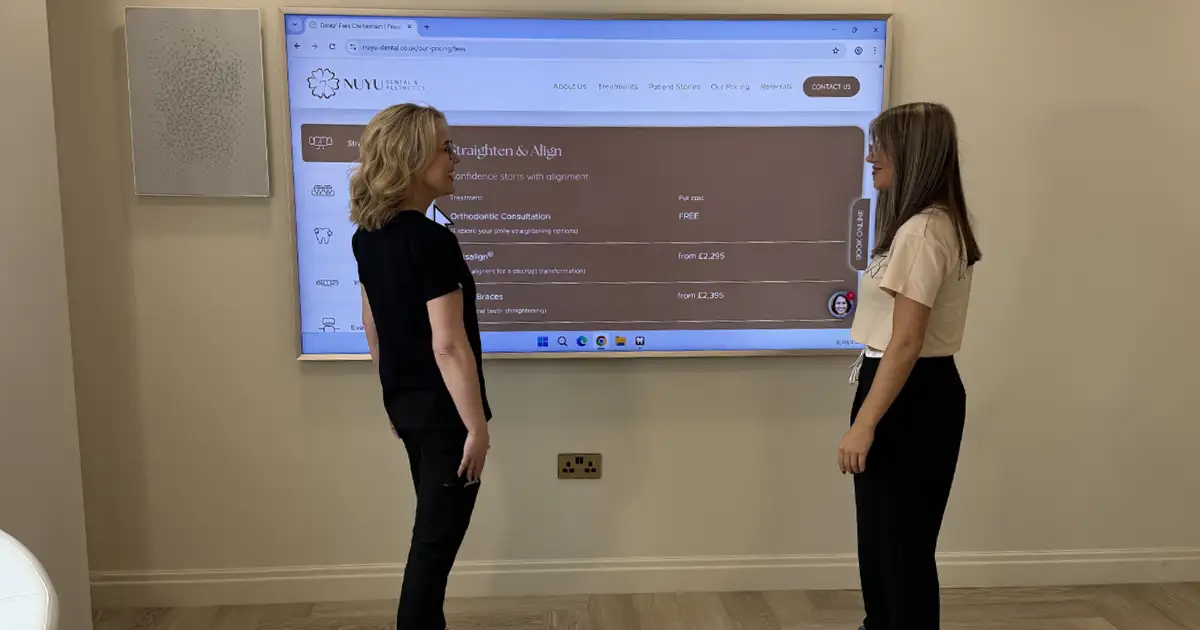
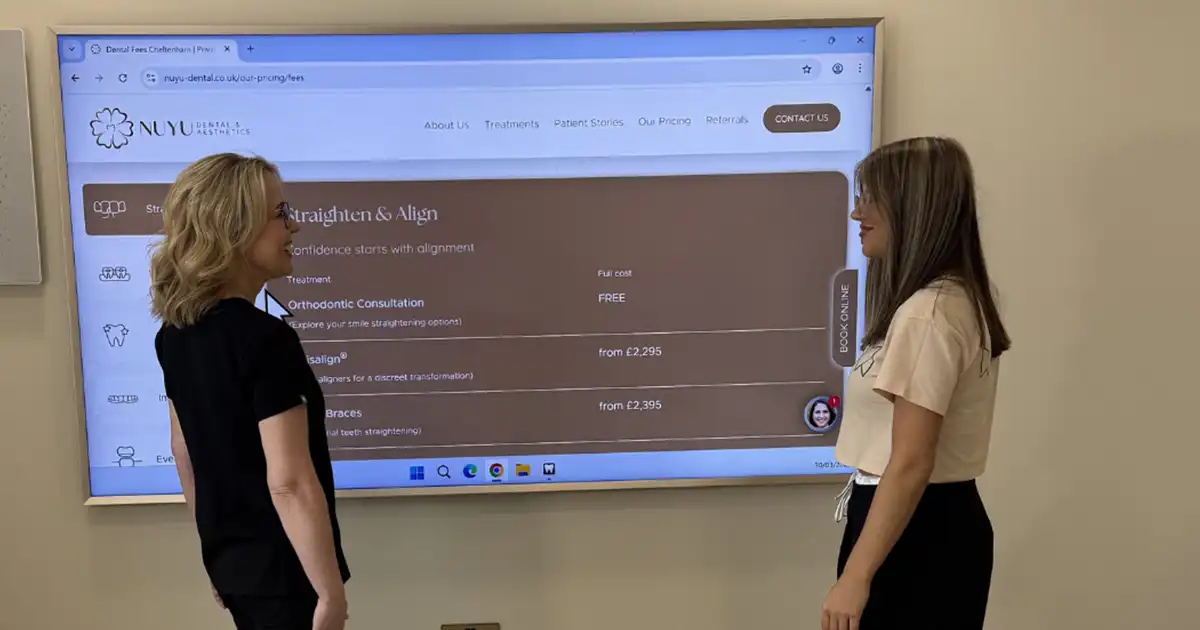
Use two or three slides to highlight KPI snapshots, patient feedback, new equipment, or social media highlights. Recognise birthdays, work anniversaries and standout contributions across clinical and front‑of‑house teams.
Why it matters: Visuals make information memorable and transparent. When people can see impact, they stay motivated and aligned with clinic goals.
Tech tip: A simple dashboard or slideshow turns numbers into clear visuals. A lightweight view of treatment acceptance, recalls and chair occupancy helps the team spot trends quickly and act with confidence.
7) Hold A Fast‑Paced Ideas Clinic
Give the team five minutes to jot down ideas to improve booking flow, reduce chair turnover time, or boost recall effectiveness. Collect, cluster and vote on one idea to test before the next huddle.
Why it matters: Inclusive brainstorming surfaces frontline insight you might miss. Choosing one idea to pilot keeps momentum and keeps the meeting focused.
8) Share Relevant Industry News Briefly
Offer a two‑minute roundup on guidelines, materials, software updates or imaging tech. Link each update to what it means for patients and the team in plain English.
Why it matters: A modern, informed team can explain benefits with ease. Tying technology to comfort, precision and time saved helps patients make an informed choice.
9) Check‑In On Team Wellness
Run a quick pulse check, either verbally or via an anonymous one‑question poll. Ask about workload, rotas, or support needed for busy periods and late nights.
Why it matters: A healthy team delivers calmer, more attentive care. Early visibility of pressure points helps you reshuffle resources before small issues grow.
Tech tip: Simple polling tools give you instant, honest feedback. The data helps you adjust scheduling and cross‑cover with precision, which protects clinical time.
10) End With A Positive Note
Close with a short thank you, a quote, or a highlight from the week. Rotate who shares it so every voice is heard over time.
Why it matters: Ending on a positive helps the team leave with clarity and energy. People go back to the day feeling supported and ready to care.